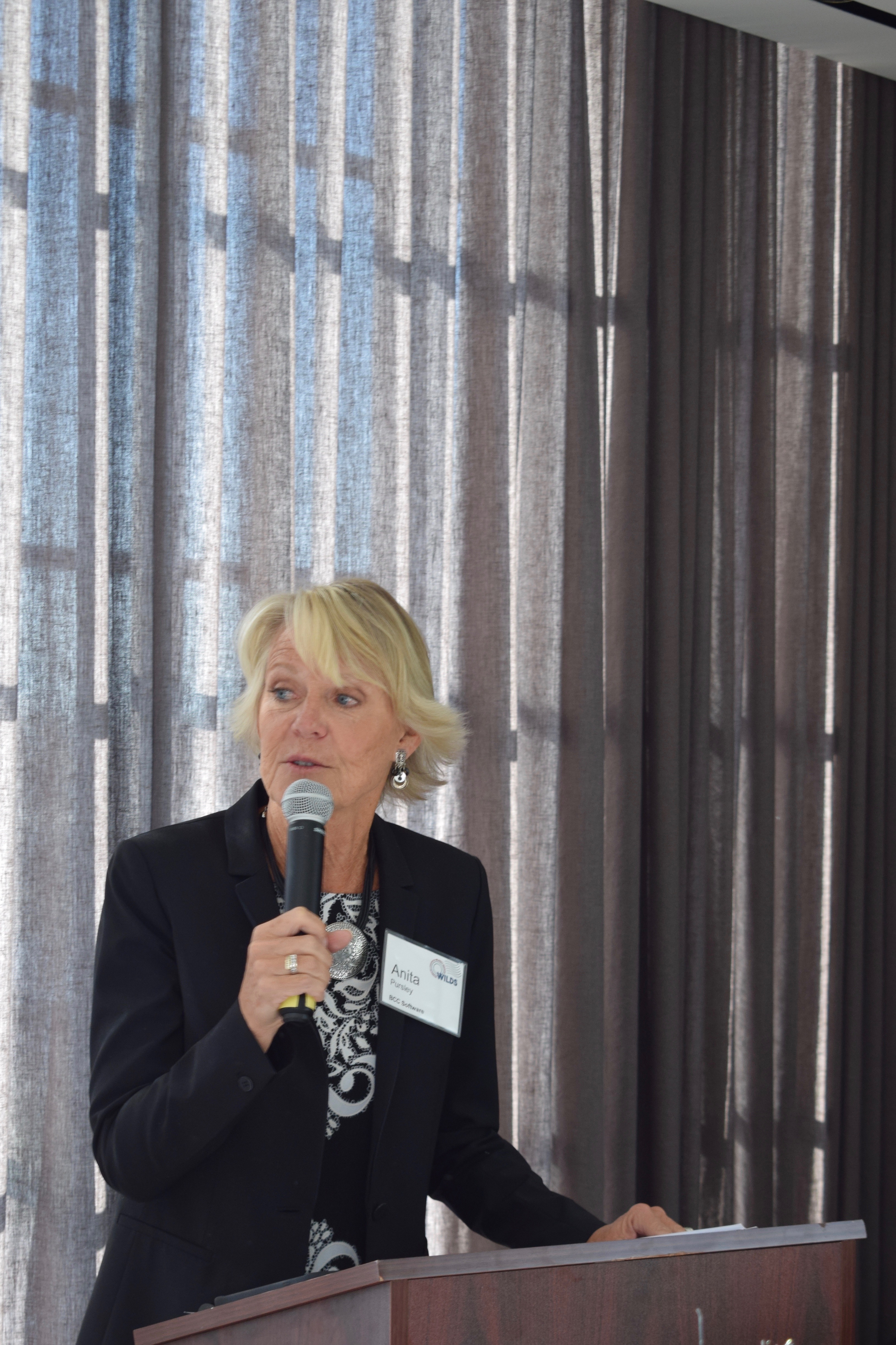
The U.S. Postal Service has a broken business model, David Williams, Vice Chairman of the Postal Service Board of Governors said. But instead of waiting on Congress to move, what if we figure out a new model and take it to Congress, he asked.
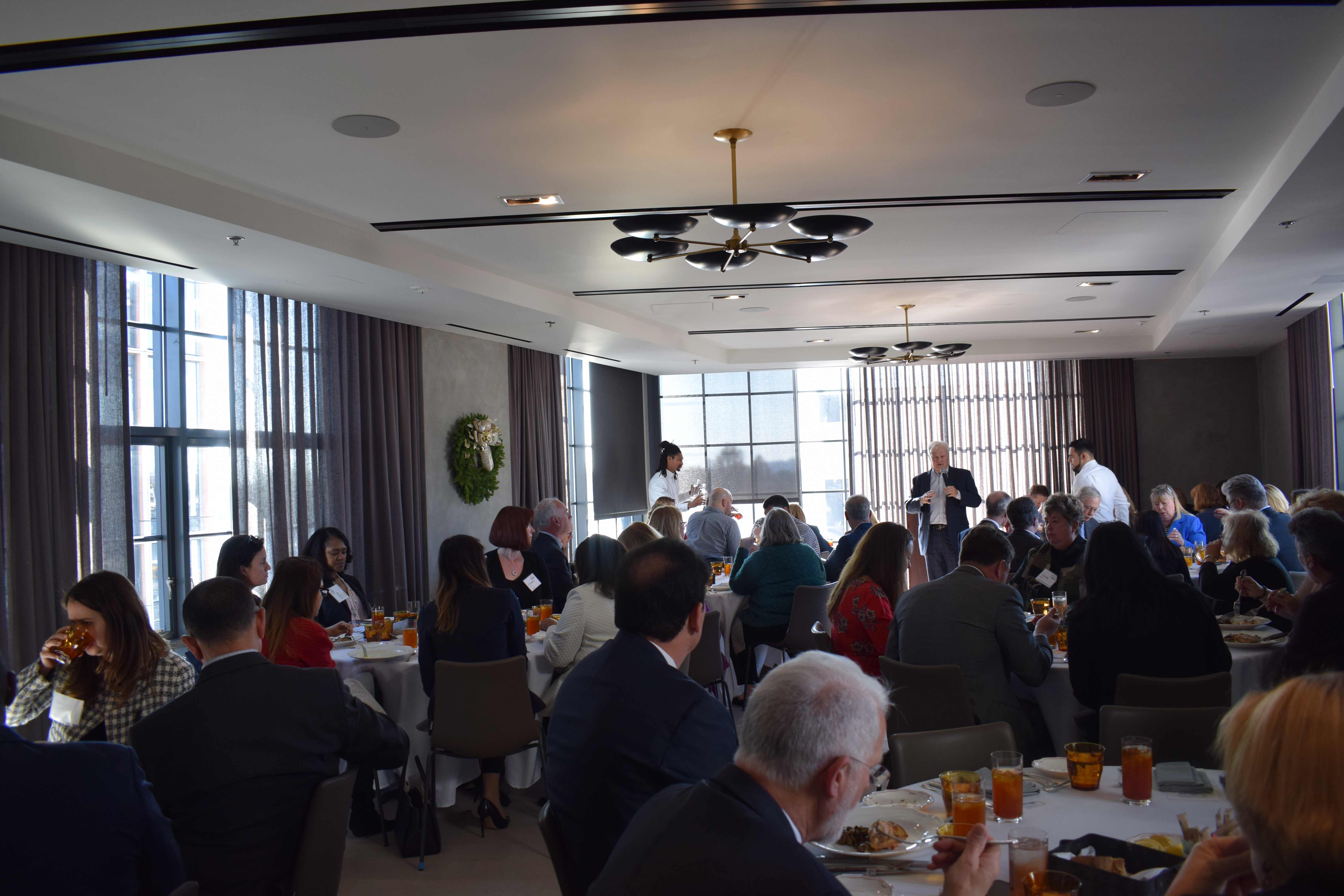
That was Williams’ opening volley in a lively exchange at the Women in Logistics and Delivery Services (WILDS) annual meeting and luncheon on November 29. As he had done for many years as the Inspector General, Williams teed up thoughtful, and thought-provoking, ideas.
“We could begin the process with a business question: How do we provide universal service in the 21st Century?” Williams said. “What does the universal service obligation (USO) mean and what are Americans willing to pay for it?”
The Postal Service owes customers affordable prices and access to post offices. It provides end-to-end service across the country and access to a uniform rate. It’s an odd balance, and it doesn’t always work. Yet, the USO is essential, Williams said.
As we consider the definition of the USO, Williams suggested we keep these things in mind:
– We need updated products and new technologies – What do today’s customers need?
– Our solutions should match those needs.
– But we need to understand what customers are willing to pay for these solutions.
– How often should mail be delivered?
– What does America want their Post Office to look like?
– If we can agree on some of this, we should be able to find a way forward.
Williams said the USPS model is very American: wrapped around a “postal core” is a layer of mail service providers, which allows it to be scalable. The Postal Service does certain things very well, but it faces challenges in other areas.
It should tap its strengths, which include:
– Package Business – the Postal Service delivers roughly 60% of small packages. It has an opportunity to control the returns business too.
– International Money Orders – we should look to expand into other countries.
– Advertising Mail – This is such a good service at a good price.
– Network effect – We can “network” everybody.
– Pharmaceuticals and food delivery – USPS in a good position for these growing markets.
– Front office for e-government – Post offices can provide a retail “front office” for other government services.
Its challenges:
– Huge network but narrow ability if USPS can use post offices only for what they provide today. We need to use the network more expansively.
– Need precision costing.
– Pricing and price cap need a closer look.
– Prefunding needs a second look.
– “Middle mile” is costly and slow. How do we fix it?
– We need some kind of “continuous update mechanism” that Congress is comfortable with and that allows for adjustments and fixes because the legislative process is slow.
Williams floated the concept of a “solutions machine” – inputs are constantly changing but what if we fed in data and then could play with levers to improve outcomes? Among those levers would be worksharing, contractor costs, mission support management, new products, and investment strategies.
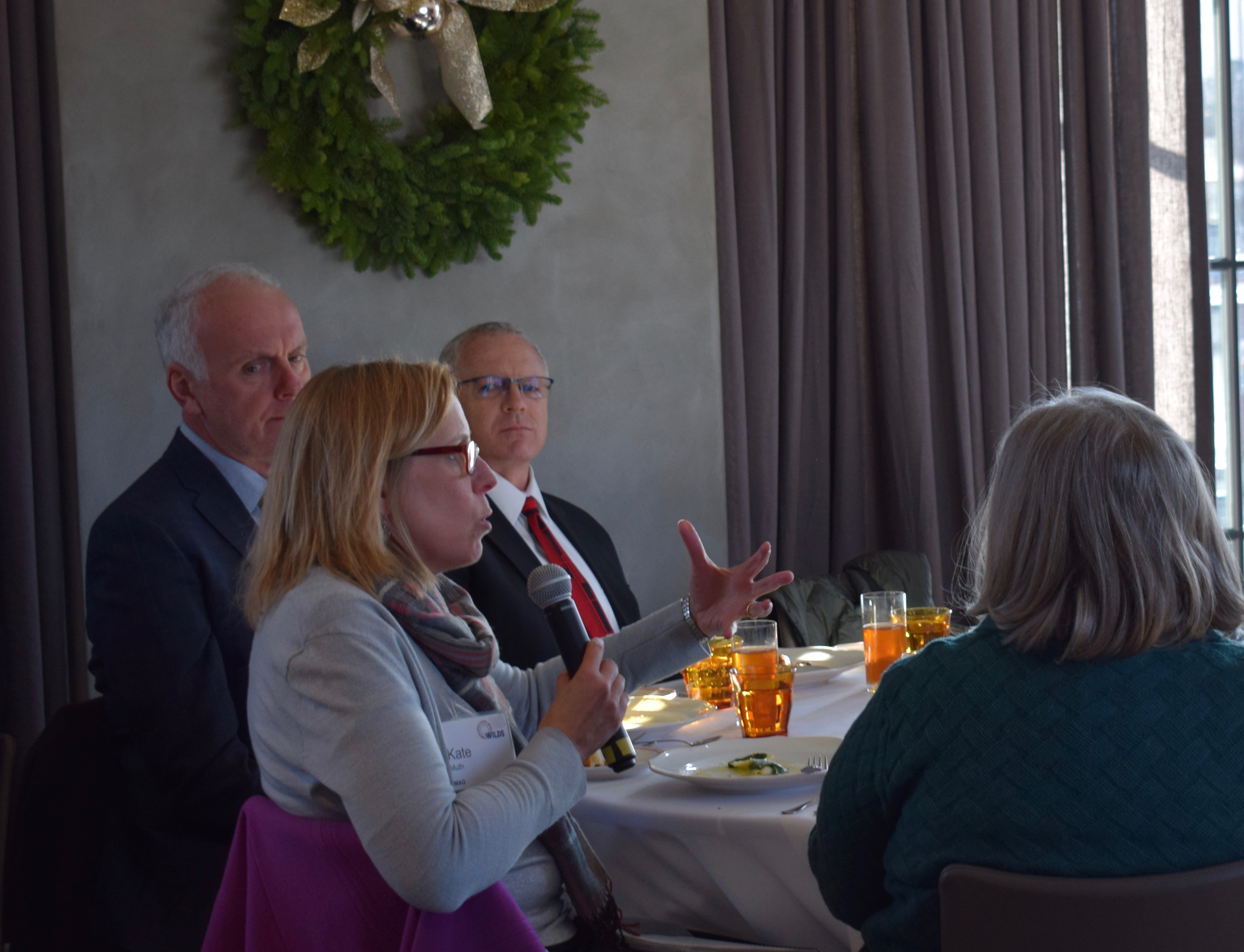
– Submitted by Kate Muth
Photos